
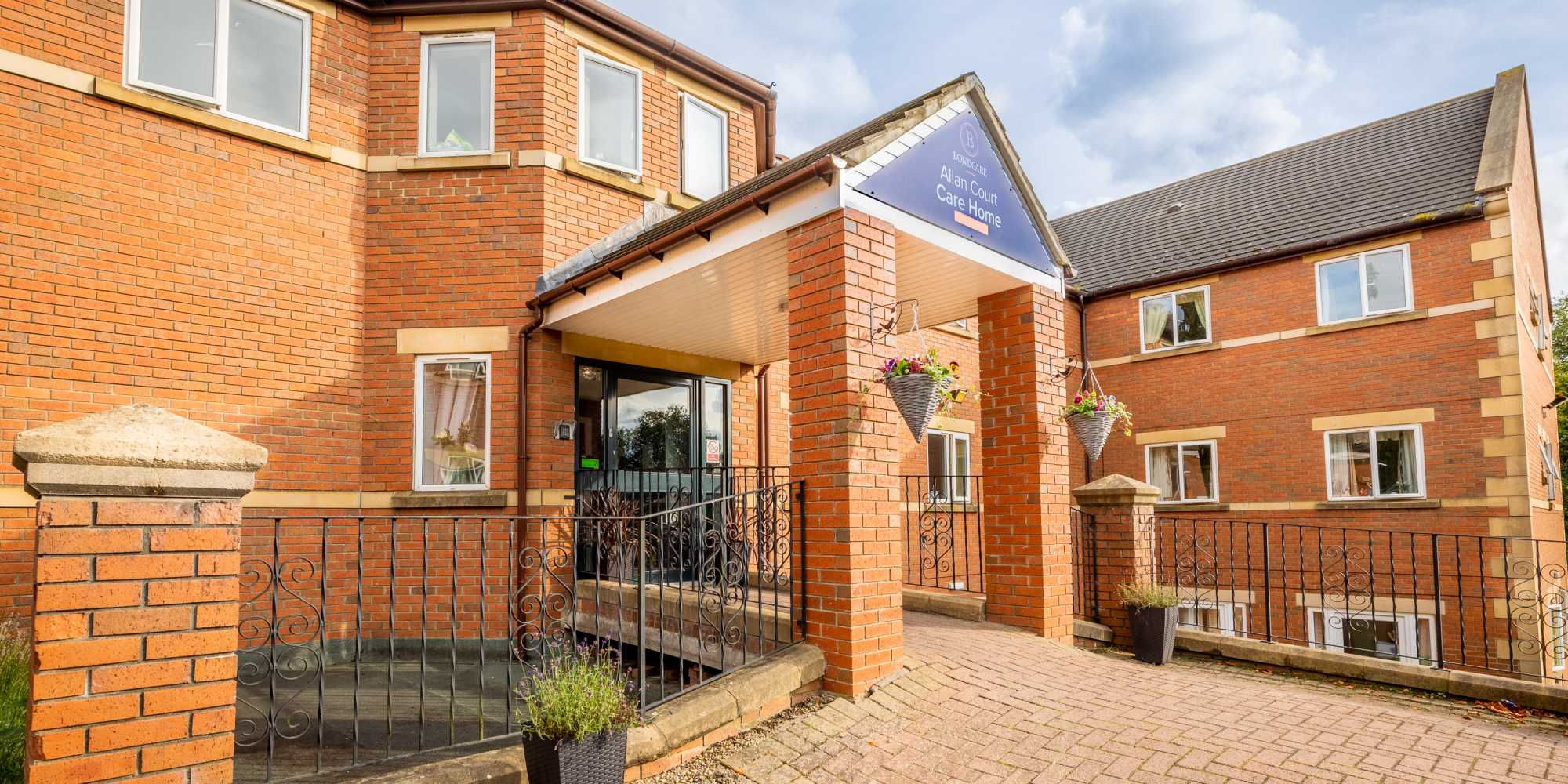

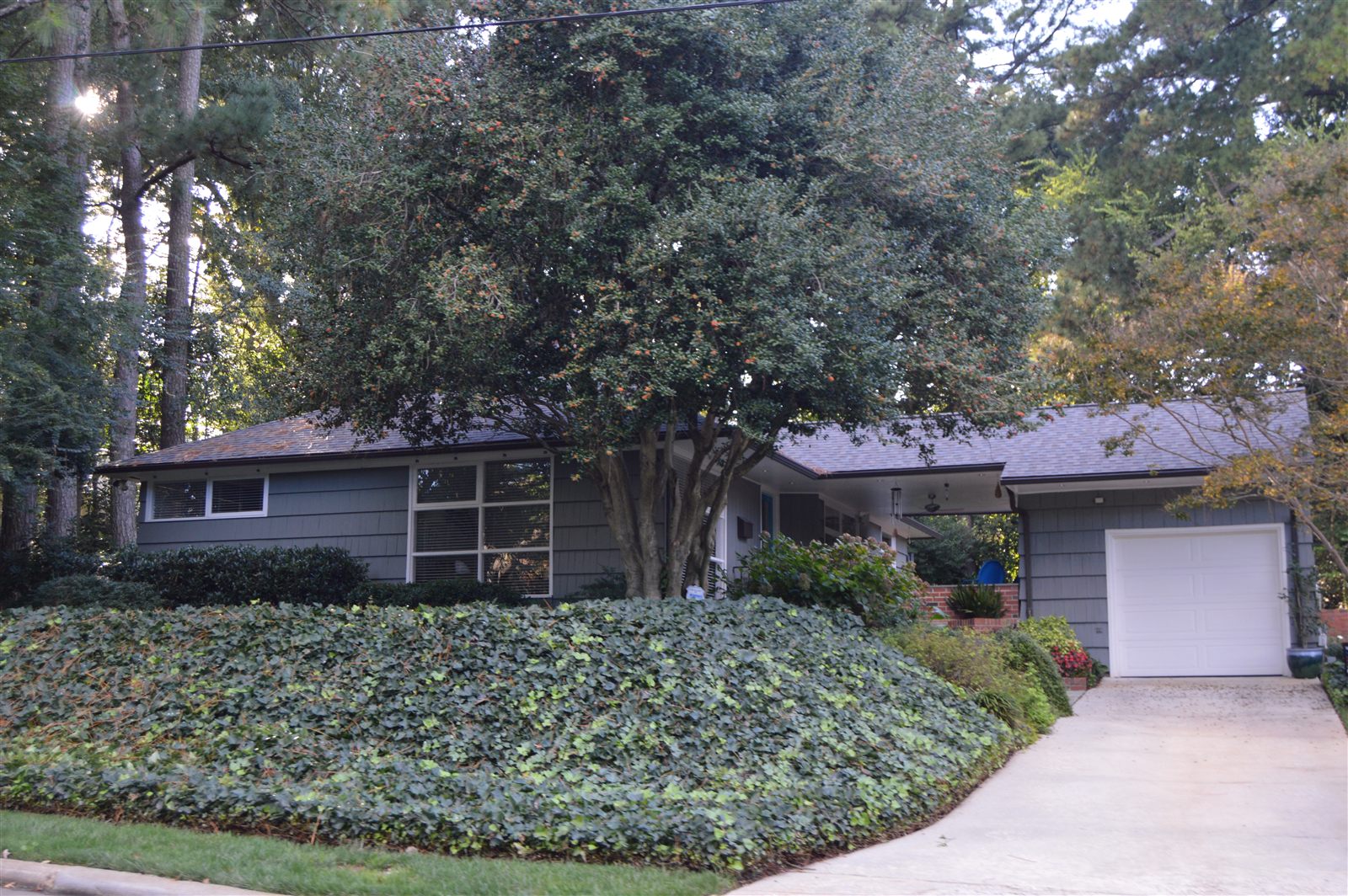
Curb appeal projects carry an unusual burden in real estate: they are the first thing a buyer sees and the last thing an appraiser forgets. The 2025 Cost vs. Value report – the 38th annual edition, covering data into 2026 – confirms what agents have said for years: of the top ten projects nationally, eight are exterior replacements, and the leaders recoup two to three times what they cost. Below is the full ranking by payback, what each project costs in 2026, and where curb appeal spending quietly stops paying.
Curb Appeal Projects Ranked by Payback
- 1. Garage door replacement: 268% cost recouped – a $4,672 job returning $12,507 at resale.
- 2. Steel entry door replacement: 216% – a $2,435 door returning $5,270.
- 3. Manufactured stone veneer: 208% – a facade accent on the entry elevation.
- 4. Fiber-cement siding replacement: about 114%.
- 5. Vinyl siding replacement: about 97%.
- 6. Wood deck addition: about 95% – an $18,263 build returning $17,323.
- 7. Vinyl window replacement: about 69%.
- 8. Composite deck addition: about 69%.
The pattern is blunt: the projects at the top are replacements of tired, visible surfaces. The projects toward the bottom are additions of new amenities. Buyers pay to see the first impression repaired; they discount anything that reads as optional.
The 200 percent club: garage doors and entry doors
A garage door is the largest moving surface on most homes, often spanning a third of the front elevation. When it is dented, faded, or rattling, the whole house reads older. A new insulated steel door fixes the biggest single visual element for under five thousand dollars, which is why the payback math is extreme – our breakdown of garage door replacement cost shows why a $4,672 door returns 268%.
The entry door works the same way at a smaller scale. It is the handshake of the house: the buyer stands in front of it for a full minute while the agent unlocks it. A $2,435 steel door returning $5,270 is detailed in our front door replacement cost guide. Both jobs cost little, finish in a day, and change the photograph that starts the listing.
Stone veneer completes the club – 208% recouped by cladding the entry-column or foundation face with manufactured stone. It is the most expensive of the three, and our stone veneer cost guide explains why it still clears 200%: it converts a plain facade into a premium one at a fraction of the cost of full masonry.
Siding: the quiet 100 percent zone
Fiber-cement siding replacement recoups about 114% and vinyl siding about 97% in the same report. Siding is the middle case: bigger budgets than a door, but it rewrites the entire street-facing elevation. Weathered siding makes buyers guess at every other deferred maintenance issue in the house; fresh siding ends that guessing. The near-even returns mean the practical decision rule is condition-based – replace siding when it is failing, not as a cosmetic upgrade.
Decks and windows: where the curve flattens
A wood deck addition recoups about 95% – the last project on the list that effectively pays for itself. Composite decking drops to roughly 69% because the material premium is large and buyers value the deck, not the board brand. Vinyl window replacement sits near 69% too: new windows matter to an inspector more than to a buyer scrolling photos, and the full-house price tag runs five figures.
None of this makes decks and windows bad projects. It means they are lifestyle purchases with decent resale, rather than resale plays. If the only goal is recouped dollars at sale, the 200 percent club beats them every time.
Curb appeal spending that does not pay
The same data shows the other side of the curve. Upscale kitchen and bathroom overhauls recoup roughly 35 to 60 percent – our bathroom remodel cost guide shows the upscale tier falling toward 36%. On the exterior specifically: pools add essentially nothing to appraisals in most markets, elaborate hardscaping and outdoor kitchens price the house past the neighborhood, and mature-tree removal for a wider driveway can actively hurt. The rule of thumb: buyers price the street view of a comparable home, and anything the neighbors do not have is assumed to be personal taste, not value.
Why replacements beat renovations at the curb
Across the whole report, the pattern holds beyond exteriors: smaller replacements out-recoup larger renovations, a phenomenon known as minor-over-major. Exterior replacements dominate because they sit at the intersection of low cost, high visibility, and universal buyer understanding – everyone knows what a good garage door looks like, nobody needs to imagine it. The full cross-project math is in our pillar on the remodels that actually pay you back.
If a sale is within two years, the playbook is short: fix the largest visible surfaces in order of size – garage door, entry door, facade material – then stop. Paint and landscaping touch-ups matter for photos, but the report is clear that the payback lives in replacements, not additions. Spend where the data pays, and let the buyer’s first ten seconds work for you instead of against you.