

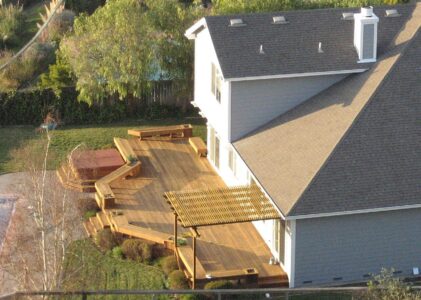
Deck addition cost is one of the few home projects where the national return number is both encouraging and easy to misuse. The 2025 Cost vs. Value report puts a wood deck at $18,263 job cost and $17,323 resale value — 94.9 percent recouped — and a composite deck at $25,096 and $22,199, or 88.5 percent. Those figures rank eighth and ninth among 28 projects, ahead of nearly every interior remodel. They also hide an important truth: a deck adds real value, but less than it costs. Here is the wood-versus-composite math, the caveats behind the percentages, and how to decide which material makes sense for your house and your timeline.
Deck Addition Cost: The 2025 National Benchmark
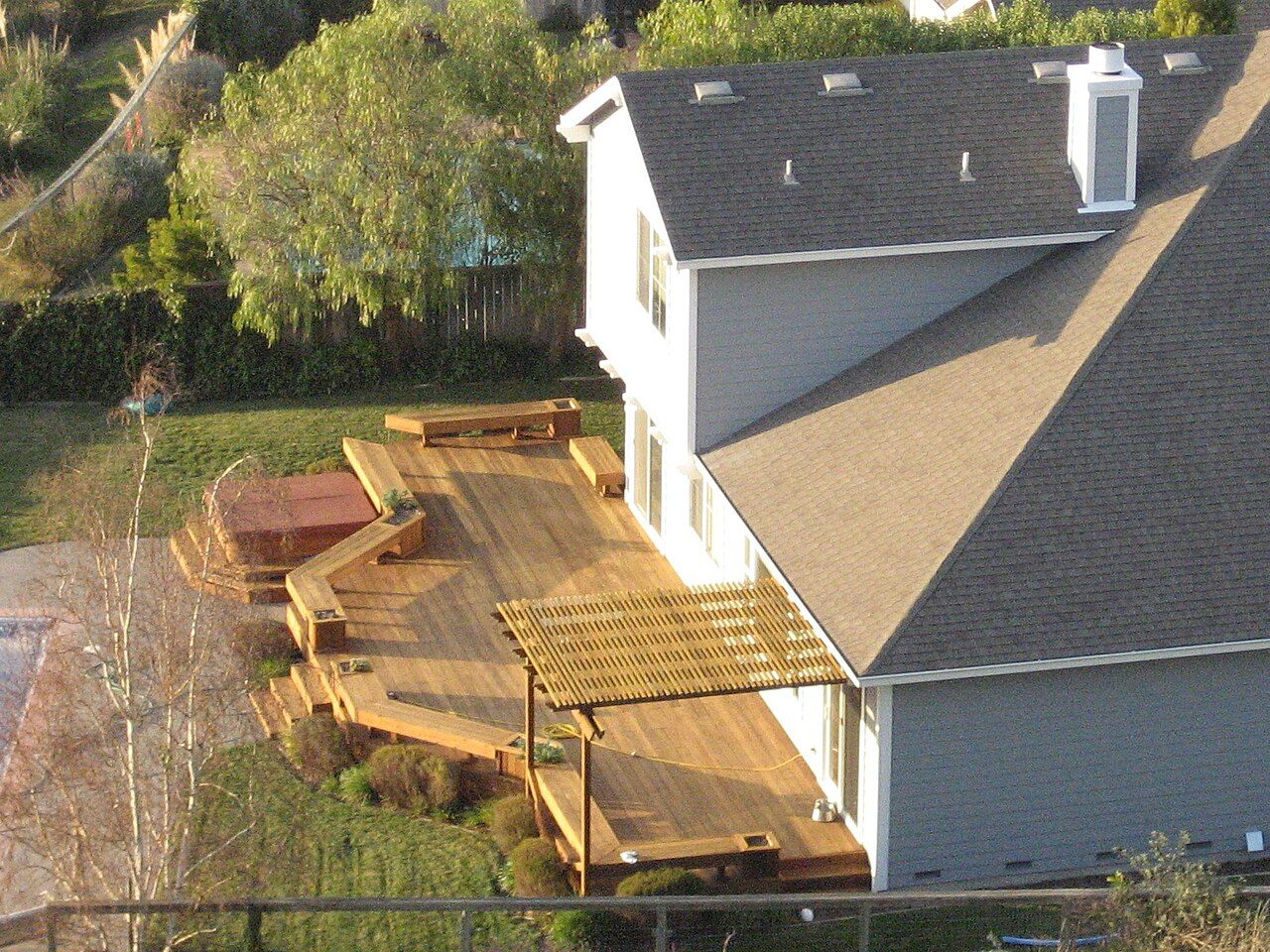
The Cost vs. Value report from Zonda and the Journal of Light Construction surveys 28 remodeling projects across 115 US markets. Its deck specification is not a small platform: it is a 16-by-20-foot structure — 320 square feet — with a built-in bench and planter, stairs to grade, and a full matching railing. That is why the modeled job cost sits near $18,000 for wood rather than the $5,000 a simple ground-level platform might cost.
- Wood deck: $18,263 job cost, $17,323 value at sale, 94.9 percent recouped.
- Composite deck: $25,096 job cost, $22,199 value at sale, 88.5 percent recouped.
Costs rose roughly 3.7 percent from the 2024 edition. Regional figures vary sharply — the Middle Atlantic division runs about 12 to 24 percent above the national number. The report’s resale values come from surveys of real estate professionals estimating what a defined project adds to a sale price, paired with Verisk’s XactRemodel cost data. That is informed expert opinion about a hypothetical sale, not a regression on closed transactions, so treat the percentage as a ranking tool rather than a promise. It is also the newest edition available, which is more than can be said for the 44, 68, 76, and 111 percent figures still circulating online from older reports. Our ROI overview puts these numbers in context alongside the projects that rank above decks.
Wood or Composite: What the Difference Actually Buys
Wood wins the percentage comparison largely because it costs less up front, not because buyers like it more. A pressure-treated deck can be built for a fraction of a premium composite system, so the same resale value produces a higher recoup rate. Composite costs about $6,800 more in the modeled project, and buyers see a low-maintenance surface, consistent color, and no staining weekend — benefits that show up in daily use and in how easily the house sells, but not fully in the modeled resale figure.
The honest comparison looks beyond the report: wood needs cleaning, staining, and board replacement over its life; composite resists rot and fading but costs more, can run hot in direct sun, and still needs cleaning. Where local buyers pay a premium for natural timber, wood may sell better; in hot, humid, or termite-heavy markets, the composite message can matter more. Either way, a deck that is structurally sound and visually clean at listing time will outperform the one that was built with the fancier material and then neglected. Curb-appeal projects ranked by payback follow the same pattern, as our curb appeal guide shows.
Why the Percentage Is Not the Decision
Run the subtraction and the romance cools: the wood deck leaves you about $940 short at the closing table, the composite deck about $2,897 short. Both still improve the property; neither returns a profit in the modeled national case. The number that matters more is how long you will own the house. A family that will use the deck every summer for a decade gets enormous value from the space itself, and the resale percentage becomes a secondary consideration. A seller listing in six months should be far more careful about scope, condition, and local buyer preferences.
The report also rewards tightly defined, lower-cost exterior replacements — garage doors, steel entry doors, manufactured stone veneer — because their cost is small relative to the buyer reaction. If the goal is purely resale, those projects rank well above any deck. Compare the numbers for garage door replacement and manufactured stone veneer before committing the larger deck budget.
What Changes the Real-World Number
Four variables move a deck project more than the material label: size and elevation, the railing and stair package, the condition of the soil and framing underneath, and local labor rates. The modeled 320-square-foot build includes a bench, planter, and railing — strip those out and your cost per square foot drops, but so may the buyer appeal. Permits, inspection, and engineering for elevated decks add real money. In cold climates, the footings must go below the frost line; in wildfire zones, the material choice can be driven by local code rather than ROI.
Get three itemized bids that separate framing, decking boards, railing, stairs, permits, and demolition of any old structure. Ask each contractor to price the same scope, and measure the result against the national anchor rather than against a neighbor’s quote. A 2026 project with 2025 benchmark numbers is not a contradiction — the report is the latest published edition, and costs have edged up modestly since.
Selling Soon or Staying Put?
The recoup percentage is a resale instrument, so it should carry the most weight when a sale is close. A seller listing within six months should favor a modest, well-built deck in good condition over an elaborate one that costs more than the market will pay back. A homeowner planning a decade in the house should reverse the emphasis: build for daily use, choose the material that fits the climate and maintenance tolerance, and treat the resale figure as a floor rather than a target. The same distinction applies to every exterior project in the Cost vs. Value table — the small replacements score the highest percentages precisely because they are cheap, while the big lifestyle projects deliver their value through years of use.
The Bottom Line
For a national benchmark, a wood deck addition costs about $18,263 and recovers 94.9 percent at resale; composite costs $25,096 and recovers 88.5 percent. Both add value, both fall slightly short of their cost in the modeled sale, and both rank among the stronger projects in the report. Choose wood for a lower entry price and natural look, composite for low maintenance, and let your ownership horizon — not a single percentage — decide whether the deck is worth building.